
Georgetown's compact heritage zone packs an extraordinary density of attractions into its historic streets. From world-famous street art to centuries-old temples, most major sights lie within pleasant walking distance of boutique hotels in the UNESCO core zone.
Image: Unsplash
Street Art Trail
Georgetown's street art phenomenon began in 2012 when Lithuanian artist Ernest Zacharevic created a series of murals as part of the George Town Festival. These interactive pieces, combining painted figures with real objects like bicycles and motorcycles, quickly became some of Southeast Asia's most photographed artworks.
Today, the original murals have been joined by dozens of additional works, including a series of iron caricatures depicting local trades and traditions. Walking the street art trail offers an engaging way to explore the heritage zone while discovering hidden corners and quiet lanes.
Children on a Bicycle
Lebuh Armenian
Perhaps Georgetown's most famous mural, depicting two children on an old bicycle. Painted on the wall of a shophouse, the work cleverly incorporates a real bicycle frame. Arrive early morning to avoid crowds and get the best photographs.

Boy on Chair
Lebuh Cannon
Another Zacharevic original showing a boy reaching up while standing on a chair. The work references Georgetown's history of diverse cultural communities living side by side in the heritage shophouses.
Iron Caricatures
Throughout Heritage Zone
Over 50 wrought-iron sculptures by local artist Tang Mun Kian depict scenes from Georgetown's past. Each piece includes informative text explaining the historical context, creating an outdoor museum experience.
Street Art Walking Tips
Pick up a free street art map from your hotel or the Penang Tourism office. The best times for photography are early morning (before 9am) or late afternoon (after 4pm) when light is softer and crowds thinner. Some murals have faded over the years; the originals are maintained but newer additions vary in condition.
Temples and Places of Worship
Georgetown's religious diversity is reflected in its remarkable collection of temples, mosques, and churches, often standing within meters of each other. This spiritual harmony earned the city its UNESCO recognition and remains central to its character.
Kek Lok Si Temple
Air Itam, 20 min from Georgetown
Southeast Asia's largest Buddhist temple complex sprawls across a hillside with pagodas, prayer halls, and a towering bronze statue of Guanyin. While outside the heritage zone, no Penang visit is complete without experiencing this spectacular site. Visit during Chinese New Year for extraordinary light displays.
Khoo Kongsi
Lebuh Cannon, Heritage Zone
This ornate clan house represents the finest example of southern Chinese architecture in Malaysia. The current structure, rebuilt after a fire in 1901, features incredibly detailed carvings, ceramic decorations, and gilded interiors. The surrounding courtyard and row of clan houses create a complete heritage environment.
Kapitan Keling Mosque
Jalan Masjid Kapitan Keling
Penang's oldest mosque, founded in 1801, anchors the Street of Harmony where major religious buildings of different faiths stand together. The current building dates from 1916 and features Mughal-style domes and minarets. Visitors are welcome outside prayer times; modest dress required.
Sri Mahamariamman Temple
Lebuh Queen
Georgetown's oldest Hindu temple, established in 1833, features a stunning gopuram (entrance tower) covered in colorful sculptural deities. The temple remains an active place of worship; visitors should remove shoes and behave respectfully during the frequent prayer ceremonies.
Heritage Buildings and Museums
Image: Unsplash
Cheong Fatt Tze Blue Mansion
Leith Street
This indigo-painted mansion, once home to a powerful Chinese merchant, now operates as both a museum and boutique hotel. Guided tours reveal the building's feng shui-aligned architecture, restoration story, and role in films including "Indochine." Daily tours at 11am, 2pm, and 3:30pm.
Pinang Peranakan Mansion
Church Street
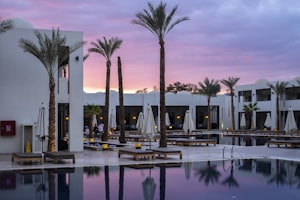
A recreated Peranakan (Straits Chinese) home showcasing over 1,000 antiques collected by the owner. The mansion illustrates the lavish lifestyle of wealthy Baba-Nyonya families who blended Chinese traditions with Malay and European influences. Essential for understanding Georgetown's unique cultural heritage.
Fort Cornwallis
Esplanade Waterfront
The largest standing fort in Malaysia marks where Captain Francis Light first landed in 1786. The star-shaped fortification contains historic cannons, a chapel, and informative displays on Penang's colonial history. The surrounding Esplanade offers pleasant waterfront walking.
The Clan Jetties
Perhaps Georgetown's most evocative attraction, the clan jetties are waterfront villages built on stilts extending into the harbor. Established by Chinese immigrants in the 19th century, each jetty houses members of a specific clan sharing the same surname.
Today, six of the original eight jetties survive as living communities. Chew Jetty is the largest and most visited, with a walkway extending over 200 meters into the harbor, lined with homes, temples, and small shops. While tourism has changed the jetties, they remain authentic neighborhoods where families have lived for generations.
"Walking the clan jetties at sunset, with the call to prayer drifting from nearby mosques and incense smoke rising from clan temples, you understand why Georgetown's cultural harmony earned UNESCO recognition."
Visiting the Clan Jetties Respectfully
Remember that the jetties are private residential communities. Stay on the main walkways unless invited into specific areas. Keep voices low, especially near homes. Ask permission before photographing residents. Small donations at the community temples are appreciated. The best times to visit are early morning or late afternoon when temperatures are cooler and light is beautiful.
Day Trips from Georgetown
While Georgetown offers enough attractions for several days of exploration, the broader Penang island rewards those with more time. These destinations make excellent day trips from heritage zone hotels:

Penang Hill
8 km from Georgetown
Rising 821 meters above sea level, Penang Hill offers cooler temperatures and panoramic views over Georgetown and the strait. The funicular railway dates to 1923 and remains the steepest tunnel railway in Asia. At the summit, explore colonial bungalows, gardens, and a Hindu temple. Clear mornings provide the best views.
Batu Ferringhi Beach
15 km from Georgetown
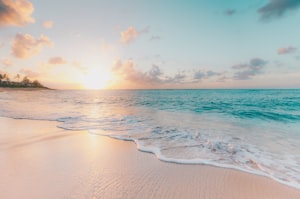
Penang's main beach resort area offers a change of pace from heritage sightseeing. The beach itself is pleasant if not pristine, with water sports and beachfront dining available. The nightly night market provides entertainment, though expect tourist prices. Most visitors come for a half-day rather than staying overnight.
Penang National Park
25 km from Georgetown
Malaysia's smallest national park encompasses coastal forest, mangroves, and isolated beaches. Hiking trails lead to Monkey Beach and a historic lighthouse. The park offers a nature escape from urban Georgetown, though facilities are basic. Bring water, sunscreen, and proper footwear for jungle trails.
Planning Your Sightseeing
Georgetown's tropical heat makes early morning and late afternoon the most comfortable times for outdoor exploration. Plan indoor attractions like museums and the Peranakan Mansion for midday. Most temples and the clan jetties are open throughout the day but most atmospheric at dawn or dusk. For personalized itinerary suggestions based on your interests, contact our team.
Last updated: January 15, 2026